Whether you’re on a weight loss journey or just tired of unsolicited advice from that colleague who won’t stop bragging about their diet success, you’ve probably heard that eating sugar causes weight gain.
But is that really true?
The Science (Simplified)
The idea that sugar causes weight gain stems from the fact that consuming carbohydrates (or simple sugars) increases blood sugar.
Here’s what happens when you eat sugar:
- Sugar is ingested, causing blood sugar to increase.
- The pancreas releases a hormone called insulin to reduce the sugar in the blood.
- Insulin tells the body to store excess sugar as energy to use later.
- This sugar is stored as glycogen in your muscles and liver.
- When those stores are full, the excess sugar is converted into fat.
This process happens on a larger scale when blood sugar rises sharply and on a smaller scale when it rises more gradually (more on how to manage this below, without cutting carbs!).
So, Do Blood Sugar Spikes Cause Fat Gain?
The answer is no, not directly.
However, consuming excessive sugar or foods that cause sharp spikes in blood sugar signals the body to store more fat.
Occasional blood sugar spikes don’t directly cause fat gain since the body has space to store that excess sugar, but regular consumption of large amounts of sugar can lead to an increase in body fat over time.
Sharper sugar spikes also cause faster blood sugar drops afterwards, which can lead to hunger, tiredness, and potential overeating.
To summarise:
- Rapid blood sugar spikes can encourage fat storage over time.
- Rapid drops in blood sugar can increase hunger and fatigue, which may lead to overeating.
How to Make Meals Less Likely to Cause an Insulin Spike (Without Cutting Carbs)
Carbohydrates are a key component of a healthy, balanced diet. They’re the body’s largest energy source, helping us stay full, energised, and perform well.
The problem isn’t carbohydrates, it’s how and what type we eat.
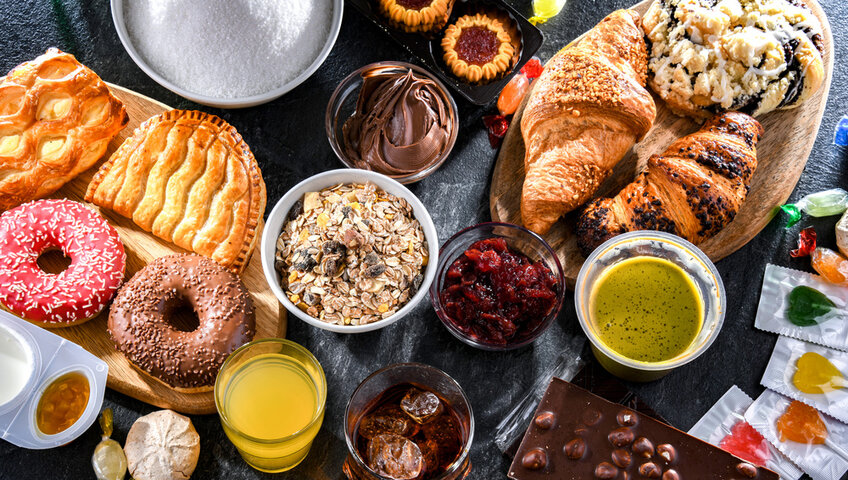
Many of today’s carbohydrate sources are highly processed, think white bread, white rice, pasta, and sugary cereals, which tend to make up the densest part of our meals. Pair them with a sweet drink, sauce or dessert, and you have a recipe for a sharp glucose rise.
The good news? You can make smarter food choices without cutting carbs or losing enjoyment. Here are a few simple swaps that make a big difference:
Smart Food Choices:
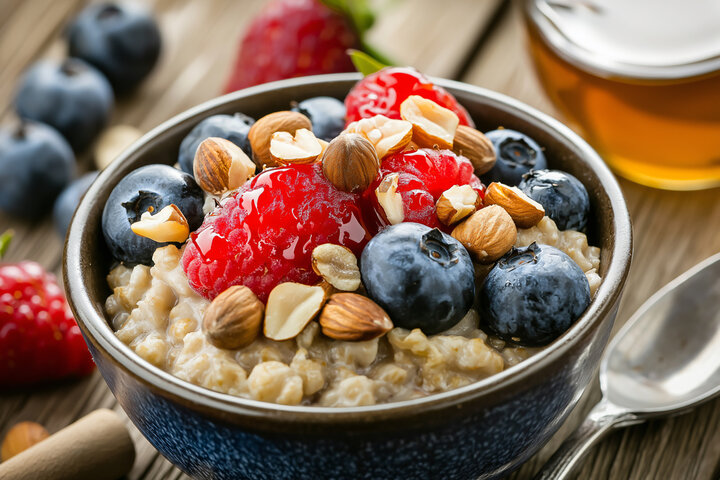
- Opt for wholegrains like wholemeal bread, brown rice, oats, beans, lentils, sweet potatoes, and fruit. These foods have a lower glycaemic index (GI), meaning they break down more slowly and cause smaller glucose rises.
- Change the order of your meal. Studies show that eating your protein or veg before your carbs can reduce glucose spikes.
- Add protein and healthy fats to every meal to stay fuller for longer and reduce glucose absorption. For example, eat a handful of nuts with fruit, or add seeds to your porridge.
So, If Sugar Leads to Fat Storage, Why Not Just Cut Carbs?
Sugar isn’t the enemy; overconsumption is.
Ultimately, it all comes down to energy balance. No matter what you eat, if you consistently consume more than you burn, you’ll gain weight.
Even a low-carb or keto diet can lead to weight gain if you overconsume protein or fat, through a process called lipogenesis. In fact, dietary fat can be stored very easily. A low-carb diet might reduce insulin release, but it doesn’t override basic energy balance.
Instead of focusing on cutting out entire macronutrients, concentrate on making wise, sustainable choices. Certain foods are more calorie-dense, which is why they often get labelled as “bad”, but in reality, every food group has a place in a healthy diet.
The Takeaway
You don’t need to cut carbs, go keto, or ban sugar to be healthy.
Real progress comes from small, consistent changes, the kind you can maintain for life.
Focus on:
- Choosing wholegrains
- Eating protein and fibre with your meals
- Eating protein and fibre before the carbs on your plate
- Reducing overconsumption
A healthy relationship with food is the foundation of true wellbeing.
Eat mindfully, enjoy your food, and remember… Balance always wins over restriction.

🧠 Disclaimer
I’m a student dietitian sharing my personal reflections and understanding based on my current studies and research. This post is intended for educational and conversational purposes only and should not be taken as professional nutrition or medical advice. If you’re considering making changes to your diet or lifestyle, I recommend speaking with a registered dietitian or qualified healthcare professional.
📚 References
 The Diet Debreif
Leave a comment