If you’ve ever heard of insulin, you’ve probably heard about it in connection with diabetes. That’s because diabetes is on the rise, in fact, the World Health Organization reported that in 2022, 830 million people were living with diabetes, compared to 200 million in 1990. So even if you don’t have diabetes yourself, chances are you know someone who does.
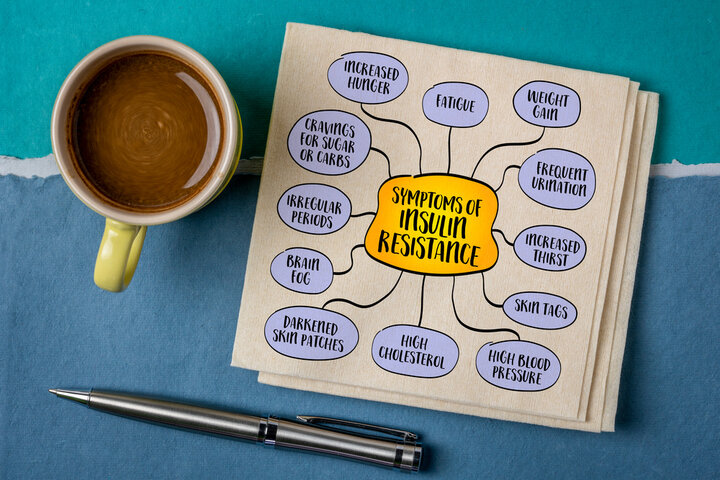
With diabetes rates increasing, and insulin resistance being caused by frequent spikes in blood glucose (often from consuming too much sugar over time), it’s something we all need to be aware of, even if it doesn’t affect us yet.
While there’s currently no way to prevent type 1 diabetes, an autoimmune disease where the body can’t produce insulin, we can make lifestyle changes to reduce our risk of insulin resistance, which is linked to several health conditions, including type 2 diabetes, polycystic ovary syndrome (PCOS), hyperglycaemia, hypertension, cardiovascular disease, and chronic inflammation.
Reducing our risk of insulin resistance begins with lifestyle changes. In this blog, we’ll be looking at some simple ways to make improvements through diet, specifically what we eat, when we eat, and how often we snack throughout the day.
In my previous post, we learnt that while sugar doesn’t directly cause fat gain, it can contribute to it. Today, we’re diving deeper into insulin, the hormone released by the pancreas that signals our body’s cells to store sugar as energy.
How to Reduce Insulin Levels
So, how can we reduce insulin levels? By managing our carbohydrate intake.
Most of us consume far too much sugar each day. Rather than avoiding it entirely, we should focus on the form of carbohydrates we’re choosing. Think about the carbs you eat, are they mainly fruits, vegetables, and wholegrains, or are they more like crisps, chips, bread, sweets, and chocolate? Perhaps you fall somewhere in the middle, like me.
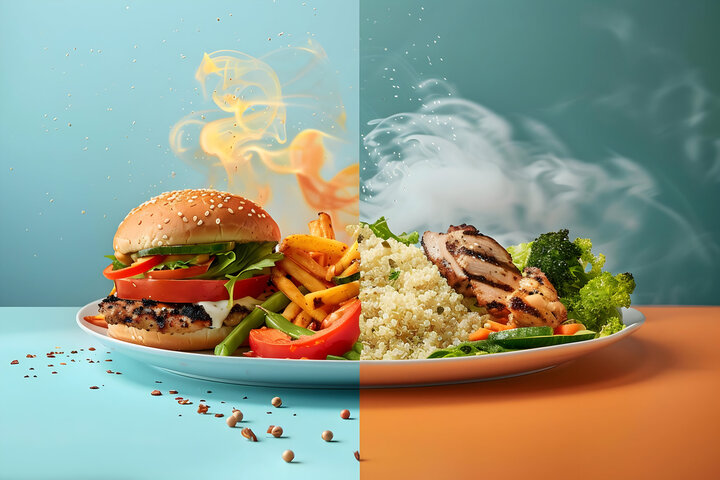
When we eat heavily processed carbohydrates, our blood sugar levels spike rapidly. If this continues over time, it can eventually lead to hyperglycaemia (high blood sugar). The good news is that carbohydrates in their natural form have a much more modest impact on glucose levels. An increase in blood sugar after eating carbohydrates is a normal process, it’s not something to fear, but something to be aware of so we can make better choices.
Fasting and Meal Timing
During periods of lower insulin, the body can use stored fat as energy. We can take advantage of this process by reducing the number of times we eat each day, in other words, by fasting. If you’re anything like me, you probably value a hearty breakfast and evening meal. I’m not currently at a stage where I want to fast for long periods, but what we can do is limit unnecessary snacking and aim to leave around four hours between meals to allow insulin levels to decrease. If you’re interested in learning more about fasting, I’ll leave some useful resources at the bottom of this post.
Building Balanced Meals
If we’re eating less frequently, it’s important that our meals are balanced and substantial, containing a mix of carbohydrates, protein, and healthy fats. Over time, these small, consistent changes can improve metabolic health and support a reduction in fat storage.
If you’re curious about why this process can help shrink our fat cells, we can dive deeper into that in the next post. Let me know in the comments below 😊
🧠 Disclaimer
I’m a student dietitian sharing my personal reflections and understanding based on my current studies and research. This post is intended for educational and conversational purposes only and should not be taken as professional nutrition or medical advice. If you’re considering making changes to your diet or lifestyle, I recommend speaking with a registered dietitian or qualified healthcare professional.
📚 References
https://www.bupa.co.uk/newsroom/ourviews/insulin-resistance
https://www.diabetes.org.uk/about-diabetes/looking-after-diabetes/treatments/insulin/resistance
https://www.who.int/news-room/fact-sheets/detail/diabetes
Top 10 health benefits of fasting | Good Food
The health benefits of intermittent fasting | Harvard T.H. Chan School of Public Health
 The Diet Debreif
Leave a comment